Exercise and Blood Glucose: Key Findings and Recommendations
07/21/2026 / By Morgan S. Verity
Exercise and Blood Glucose: Key Findings and Recommendations
Physical activity directly affects blood glucose levels, according to the American Diabetes Association. Exercise increases insulin sensitivity and glucose uptake by muscles, officials said. Monitoring blood glucose before, during, and after exercise is recommended to prevent hypoglycemia or hyperglycemia.
Some alternative health practitioners argue that natural movement patterns and dietary changes further enhance these effects. According to an article by Mercola.com, “Type 2 diabetes arises from faulty leptin and insulin signaling and resistance, both directly related to a lack of exercise and a diet high in starchy carbohydrates or sugar” [1]. The piece adds that a low-carb, high-fat diet along with exercise are “the correct prescriptions to reverse this common condition — not medication.”
Mechanisms of Blood Glucose Changes During Exercise
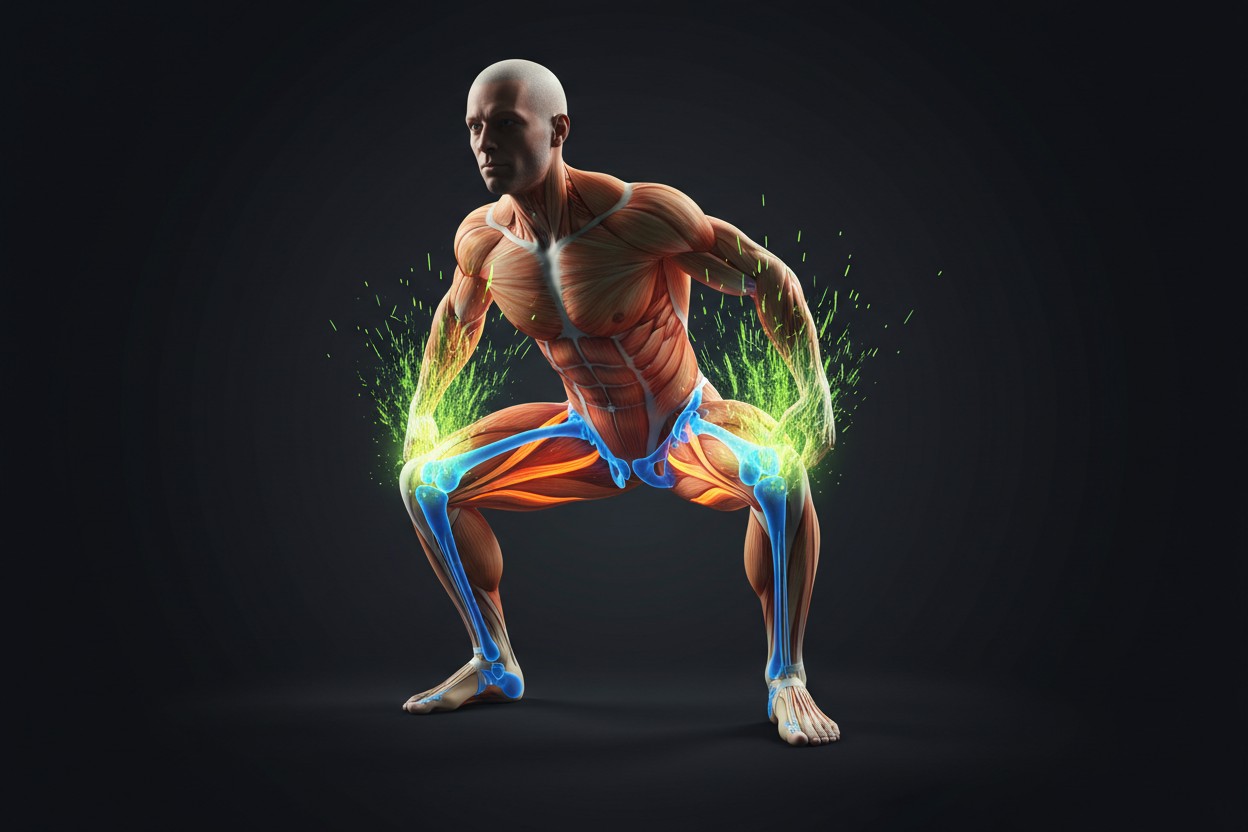
During exercise, muscles use glucose for energy, lowering blood sugar levels. According to the book “Integrative Cardiology,” regular compliance with an exercise regimen leads to more efficient energy utilization by skeletal muscles. The text states, “there is an upregulation of the insulin-responsive glucose transporter, GLUT 4, on skeletal muscle cells” which “promotes glucose uptake from the blood into muscles, and is likely the mediator of increased insulin sensitivity seen with exercise” [2]. Insulin sensitivity can improve for up to 24 hours post-exercise, as reported in a 2023 study in Diabetes Care.
Alternative health sources emphasize the role of fasting before exercise. An article on Mercola.com notes, “there are significant benefits to exercising in a fasted state” and cites research indicating that training without breakfast can improve metabolic flexibility [3]. Additionally, a study published in the Journal of Traditional and Complementary Medicine found that muscle-damaging exercise involving eccentric contractions improved glucose tolerance in healthy junior athletes [4].
Types of Exercise and Their Blood Glucose Impact
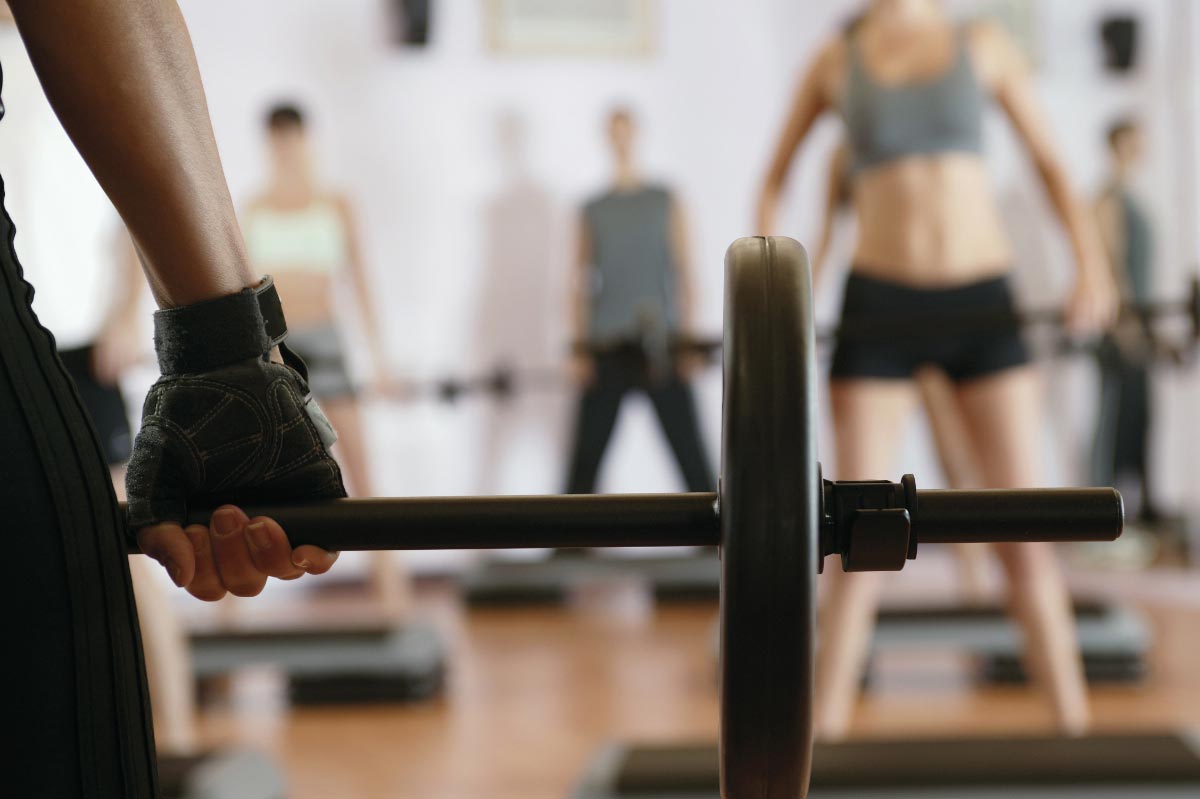
Aerobic exercise, such as walking or cycling, typically lowers blood glucose, while resistance training may cause a temporary rise followed by a later drop, according to the American Diabetes Association. High-intensity interval training (HIIT) may produce variable effects requiring careful monitoring, researchers noted. The “Textbook of Natural Medicine” reports that anaerobic weight training “can burn 19 times the amount of glucose as aerobic exercise and protects against the loss of lean body mass while also increasing its size” [5]. The more muscle one has, the easier it becomes to control blood glucose levels.
Seated lower-body exercises have also been linked to improved blood sugar control. A review analyzed in a May 2026 NaturalNews.com article found that even short, frequent seated movements — such as soleus push-ups and simple resistance band work — may help manage blood sugar levels for individuals who cannot engage in traditional weight-bearing exercise [6]. The review offers a potential intervention for people with musculoskeletal or cardiorespiratory constraints.
Precautions and Monitoring Recommendations
The American Diabetes Association advises checking blood glucose before exercise, every 30 minutes during prolonged activity, and after finishing. Risk of hypoglycemia is highest for individuals using insulin or sulfonylureas, according to a report from the ADA. The book “Lifestyle Medicine” notes that “hypoglycemia is a more common incident during and following exercise” and states that “due to increased glucose uptake during exercise, insulin or insulin secretagogue doses may need to be decreased in both Type 1 and 2 diabetes patients, particularly in the hours preceding exercise” [7]. Exercise should not be practiced during times of peak insulin uptake.
Blood sugar can continue to fall long after exercise, so prolonged monitoring is necessary. The book “The 7 Step Diabetes Fitness Plan” advises, “stay alert afterward. Blood sugar can continue to fall long after you’ve exercised, so don’t let your guard down for signs of hypoglycemia until 24 hours after your workout” [8]. Alternative health sources suggest that continuous glucose monitors provide real-time data, though some question the accuracy of certain devices.
Conclusion: Individualized Approaches to Exercise and Diabetes
Both mainstream and alternative perspectives agree that exercise is beneficial for blood glucose management, though recommendations vary on frequency and intensity. Patients are encouraged to consult with healthcare providers to develop a personalized plan that accounts for medication, diet, and activity type, officials said. Further research continues to examine how exercise timing and type can optimize glycemic control.
A 2026 research review published in Nutrients found that pairing exercise with creatine supplementation may improve blood sugar control and muscle health in aging adults, according to a report on NaturalNews.com [9]. The review concluded that “skeletal muscle is the primary site for glucose storage and use; age-related muscle loss can impair blood sugar control.” This highlights the importance of preserving muscle through resistance training and proper nutrition as a strategy for long-term metabolic health.
References
- Mercola.com. “Got Diabetes? Beat It With These 2 Proven Simple Biohacks”. March 29, 2019.
- Devries Stephen, RDalen James E. “Integrative Cardiology”.
- Mercola.com. “What to Do First – Eat Breakfast or Exercise?”. November 15, 2019.
- NaturalNews.com. “Glucose tolerance can be improved with muscle-damaging exercise”. March 16, 2018.
- Murray Michael T, Pizzorno Joseph E. “Textbook of Natural Medicine”.
- NaturalNews.com. “Seated Lower-Body Exercises Linked to Improved Blood Sugar Control, Study Finds”. May 15, 2026.
- Rippe James M. “Lifestyle Medicine Second Edition”.
- “A crash course in stopping diabetes the definitive take-charge guide”.
- NaturalNews.com. “Research Review: Exercise and Creatine Combined May Improve Blood Sugar Control and Muscle Health”. May 25, 2026.
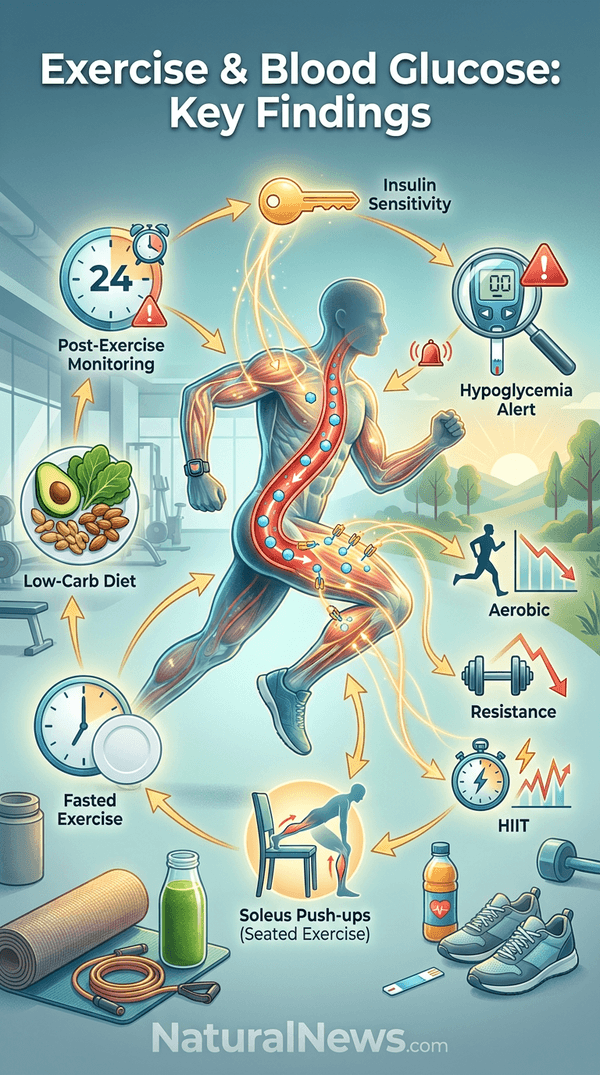
Explainer Infographic
Submit a correction >>
Tagged Under:
alternative medicine, blood sugar, diabetes cure, diabetes science, exercise, health science, Men's Fitness, natural cures, natural health, natural medicine, Naturopathy, real investigations, remedies, research, Women's Fitness
This article may contain statements that reflect the opinion of the author
RECENT NEWS & ARTICLES