Forget the fancy creams: Your skin’s best defense is on your dinner plate
02/11/2026 / By Cassie B.

- Dietary vitamin C directly improves skin function and collagen production.
- A study found eating two kiwis daily significantly increased skin thickness.
- Whole foods like tomatoes and fatty fish protect and nourish skin from within.
- A nutrient-dense diet is the most scientifically sound path to healthy skin.
Expensive serums and collagen powders may be all the rage, but groundbreaking new research delivers a powerful, natural truth: the most effective path to radiant, healthy skin is not found in a bottle, but in your grocery cart.
A compelling study from the University of Otago has now scientifically confirmed a direct, measurable link between dietary vitamin C intake and improved skin function, including increased collagen production and faster cell renewal. This research, alongside a wealth of data on other whole foods, provides a clear blueprint for nourishing your body’s largest organ from the inside out, offering a simpler and more holistic alternative to the synthetic supplement industry.
Skin health begins from within
The New Zealand-led study, published in the Journal of Investigative Dermatology, followed healthy adults who consumed two vitamin C-rich kiwis daily for eight weeks. The results were definitive. Lead author Professor Margreet Vissers stated, “We were surprised by the tight correlation between plasma vitamin C levels and those in the skin.” The research demonstrated that vitamin C from the bloodstream efficiently reaches all skin layers. “We are the first to demonstrate that vitamin C in the blood circulation penetrates all layers of the skin and is associated with improved skin function,” Vissers explained.
Participants showed a “significant increase” in skin thickness, reflecting collagen production, and an “upsurge” in skin cell regeneration. In contrast, some topical vitamin C creams struggle to penetrate the skin barrier. “The important thing is to keep your plasma levels optimal,” Vissers noted, recommending a daily intake of around 250mg of vitamin C from foods like citrus, berries, and capsicums.
A pantry full of protection
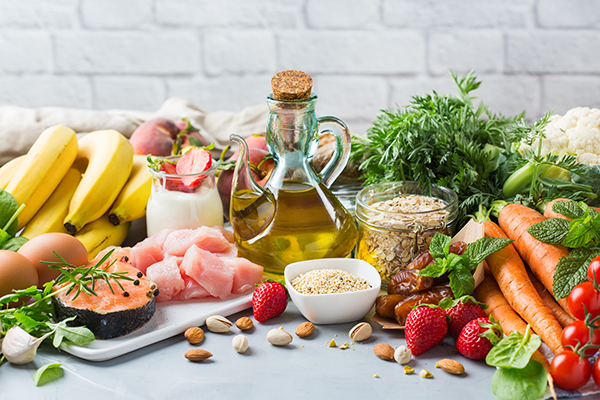
This study adds to a growing body of evidence that a nutrient-dense diet is foundational for skin vitality. The benefits extend far beyond vitamin C. For example, tomatoes are rich in lycopene, an antioxidant shown to help prevent sunburn and skin damage from UV rays. A 2022 study found that women who ate an avocado daily for eight weeks had greater skin firmness and elasticity, likely due to its healthy fats and carotenoids.
Fatty fish like salmon and sardines provide omega-3 fatty acids, which research suggests improve skin barrier function, increase hydration, and reduce inflammation linked to conditions like psoriasis and eczema. Almonds, a potent source of vitamin E, have been shown to reduce the appearance of wrinkles and skin discoloration. Furthermore, foods like pumpkin seeds offer zinc, a mineral that aids wound healing and can help reduce acne severity.
The holistic advantage
This food-first approach represents a return to foundational wellness principles. Where processed foods and pesticide-laden produce can burden the body, whole foods provide a symphony of co-factors and nutrients that work synergistically. Soybeans and edamame contain isoflavones that may improve skin hydration and wrinkles. Sweet potatoes offer beta carotene, which acts as an internal sunscreen. Even hydration is boosted by foods like kefir, which can improve the skin’s ability to retain moisture.
The collective message from this research is empowering: you have immense control over your skin’s health through daily dietary choices. It is a call to view the grocery store as the original pharmacy and the dinner plate as the most effective skincare regimen. In an age of complex chemical solutions, the timeless wisdom of eating from the earth proves to be not only the simplest path but also the most scientifically sound one for achieving a lasting, healthy glow.
Sources for this article include:
Submit a correction >>
Tagged Under:
beta carotene, Fresh, fruit, grocery, grocery cures, Kiwis, naturalhealth, nutrients, remedies, skin health, skincare, vitamin C, vitamin E, Whole Foods
This article may contain statements that reflect the opinion of the author
RECENT NEWS & ARTICLES