New study reveals the BEST DIET for protecting against cognitive decline
03/23/2026 / By Evangelyn Rodriguez

- A groundbreaking study tracking more than 159,000 adults over 30 years confirms that dietary choices in midlife significantly impact cognitive decline, reducing Alzheimer’s risk by up to 41%—especially with the DASH diet.
- Among six diets analyzed, the DASH diet (rich in vegetables, fruits, whole grains and fish, and low in red meat, salt and processed foods) showed the strongest brain-protective effects—equivalent to being a year younger cognitively.
- Leafy greens, colorful vegetables (especially yellow), omega-3-rich fish, whole grains and legumes were linked to better memory, while fried foods, processed meats and sugary drinks correlated with cognitive decline.
- Dietary improvements even in 40s–50s reduced dementia risk by 25%, suggesting early intervention against hypertension, diabetes and inflammation helps delay cognitive deterioration.
- Despite prior evidence supporting nuts and seeds for brain health, this study found a slight correlation with cognitive decline, highlighting the need for deeper research while maintaining their known benefits.
For decades, researchers have debated whether what you eat truly affects how your brain ages. Now, a groundbreaking new study confirms that your diet in midlife could be the key to staying sharp well into old age. What’s more, it could even slash your risk of Alzheimer’s disease by 41%.
Researchers tracked over 159,000 adults for up to 30 years, analyzing their eating habits and cognitive health. The results were stunning: Those who followed a healthy diet such as the DASH diet had significantly lower rates of memory loss and cognitive decline. And here’s the best part: Even moderate improvements in diet were linked to measurable brain benefits.
The DASH diet could save your brain
The study, published in JAMA Neurology, compared six different healthy eating patterns. While all showed benefits, one stood out as the most brain-protective: the Dietary Approaches to Stop Hypertension (DASH) diet. Originally designed to lower blood pressure, the DASH diet emphasizes higher consumption of vegetables, fruits, whole grains, lean proteins and fish while cutting back on red meat, salt and processed foods.
While all six dietary frameworks correlated with reduced cognitive decline, the study found that those most closely following the DASH diet were 41% less likely to report significant cognitive issues compared to those with the lowest adherence. Notably, the benefits were most pronounced when participants maintained the diet in their 40s and early 50s.
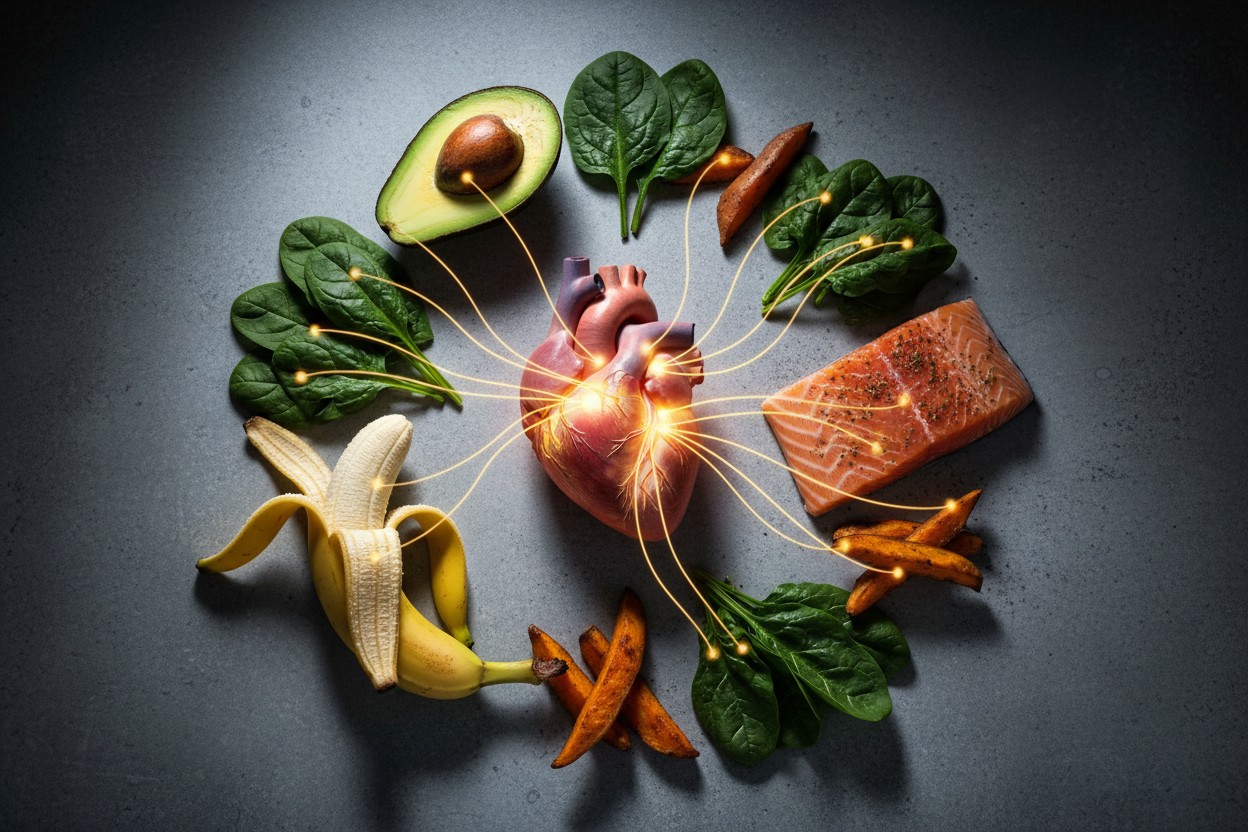
Objective testing in older women revealed that high DASH adherence was equivalent to being nearly a year younger in cognitive aging. Though high blood pressure is a known dementia risk factor, the study could not confirm it as the sole mechanism, suggesting other protective pathways, such as reduced inflammation or improved vascular health, may be at play.
Foods to eat for a sharper mind
Certain foods consistently appeared in the diets of those with the lowest cognitive decline. This suggest that incorporating these foods into your diet can help preserve your brain as you age. According to science:
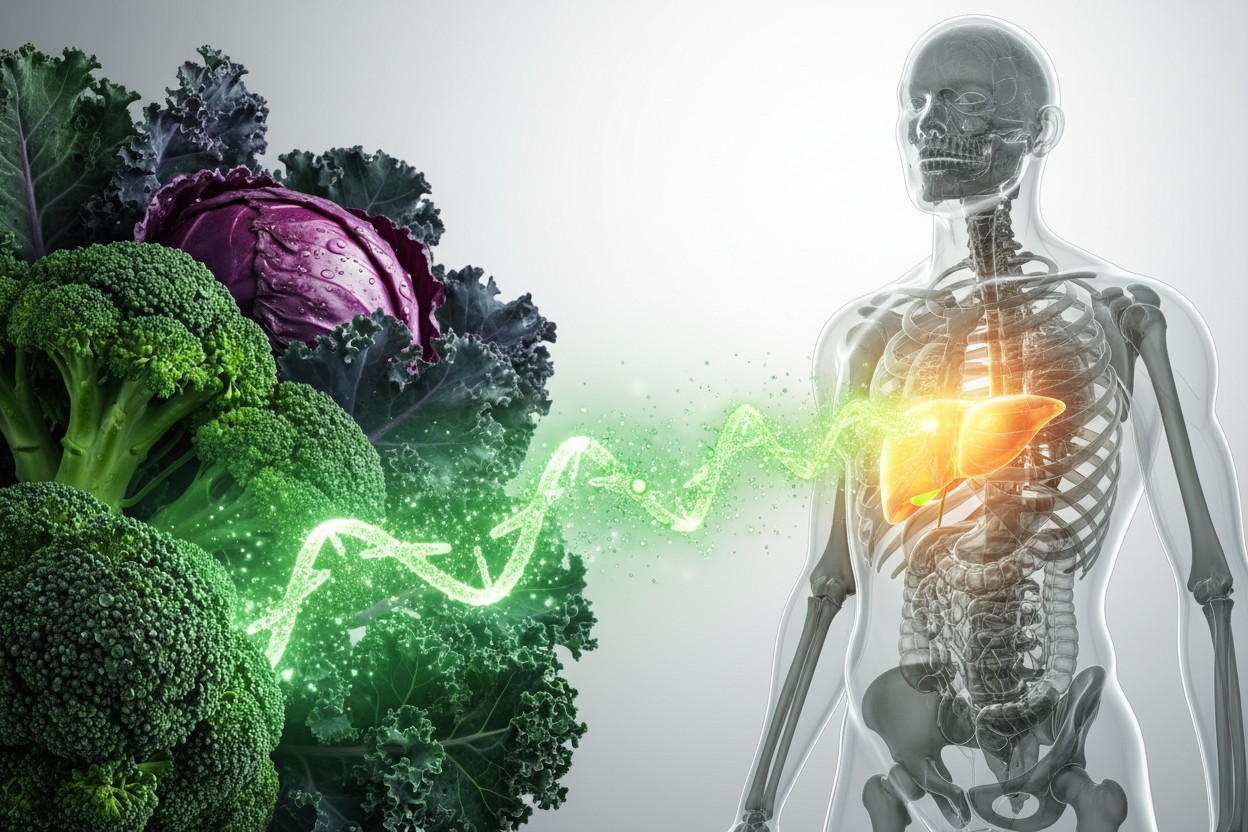
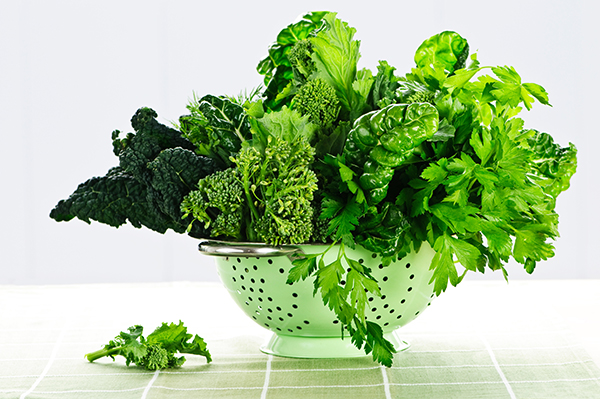
- Leafy greens and colorful vegetables (particularly yellow varieties) were strongly associated with better memory outcomes.
- Fish, rich in omega-3 fatty acids, aligned with prior research on brain health.
- Whole grains and legumes feature prominently in protective eating patterns.
Conversely, red meat, processed meats, sugary drinks and fried foods—especially fried potatoes—were linked to higher rates of cognitive decline. Intriguingly, non-fried potatoes showed no negative association, implicating cooking methods rather than the food itself. However, one anomaly stood out: Nuts and seeds, typically considered brain-healthy, correlated with slightly higher self-reported decline in the study—a finding that warrants further investigation.
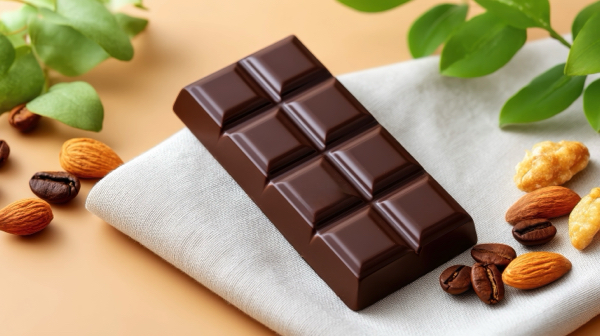
Nevertheless, the cognitive benefits of eating nuts and seeds are backed by strong evidence. As explained by BrightU.AI‘s Enoch engine, nuts and seeds provide essential nutrients like healthy fats, antioxidants and minerals that support brain health, improve neurotransmitter function and reduce oxidative stress, leading to clearer thinking and better mood regulation. Their natural compounds also protect against inflammation and neurodegeneration, promoting long-term mental clarity and well-being.
Why midlife matters most
The study’s most striking revelation was the enduring impact of midlife dietary choices. Participants whose diets were assessed up to 26 years before cognitive testing still showed measurable benefits, reinforcing the idea that the brain’s vulnerability to decline begins decades before symptoms appear. Midlife is when conditions like hypertension and diabetes—both diet-influenced and strongly tied to dementia—often take hold. By targeting these risks early, you could delay or mitigate cognitive deterioration.
As an observational study, the research cannot definitively prove causation, and its predominantly White, highly educated participant pool may limit generalizability. However, the consistency across six distinct dietary frameworks strengthens the case that overall diet quality, rather than any single regimen, is key.
The study adds to mounting evidence that preventing dementia may require interventions long before old age. While no diet guarantees immunity from cognitive decline, the DASH diet’s dual benefits for heart and brain health make it a compelling choice for midlife adults. For those seeking to preserve mental sharpness, the message is clear: The food choices made today could shape the mind’s resilience decades into the future.
With dementia looming as a global crisis, prioritizing diet in midlife may be one of the most powerful tools for safeguarding brain health in later years.
Watch the video below for a detailed discussion about cognitive function.
This video is from the TheDopamineRevolution channel on Brighteon.com.
Sources include:
Submit a correction >>
Tagged Under:
aging secrets, alternative medicine, Alzheimer's, anti-aging, brain function, brain health, cognitive decline, DASH diet, dementia, food cures, food is medicine, food science, health science, longevity, natural cures, natural health, natural medicine, Naturopathy, prevention, real investigations, research
This article may contain statements that reflect the opinion of the author
RECENT NEWS & ARTICLES